🎮
Best Gaming Laptops
We rank every gaming laptop using our AI scoring system that weights GPU benchmark performance (40%), display refresh rate and response time (20%), thermal headroom (20%), and memory bandwidth (20%). Only laptops that actually deliver smooth, consistent frame rates make it to the top of this list — spec sheets alone don't cut it.
What to look for
Look for at minimum an RTX 4060 or RX 7600M GPU for solid 1080p gaming. For 1440p and above, target RTX 4070 or better. Refresh rate matters as much as resolution — a 165Hz IPS panel often beats a 60Hz OLED for competitive gaming. Check thermal scores: a fast GPU in a thin chassis will throttle under sustained load.
12 laptops ranked
See all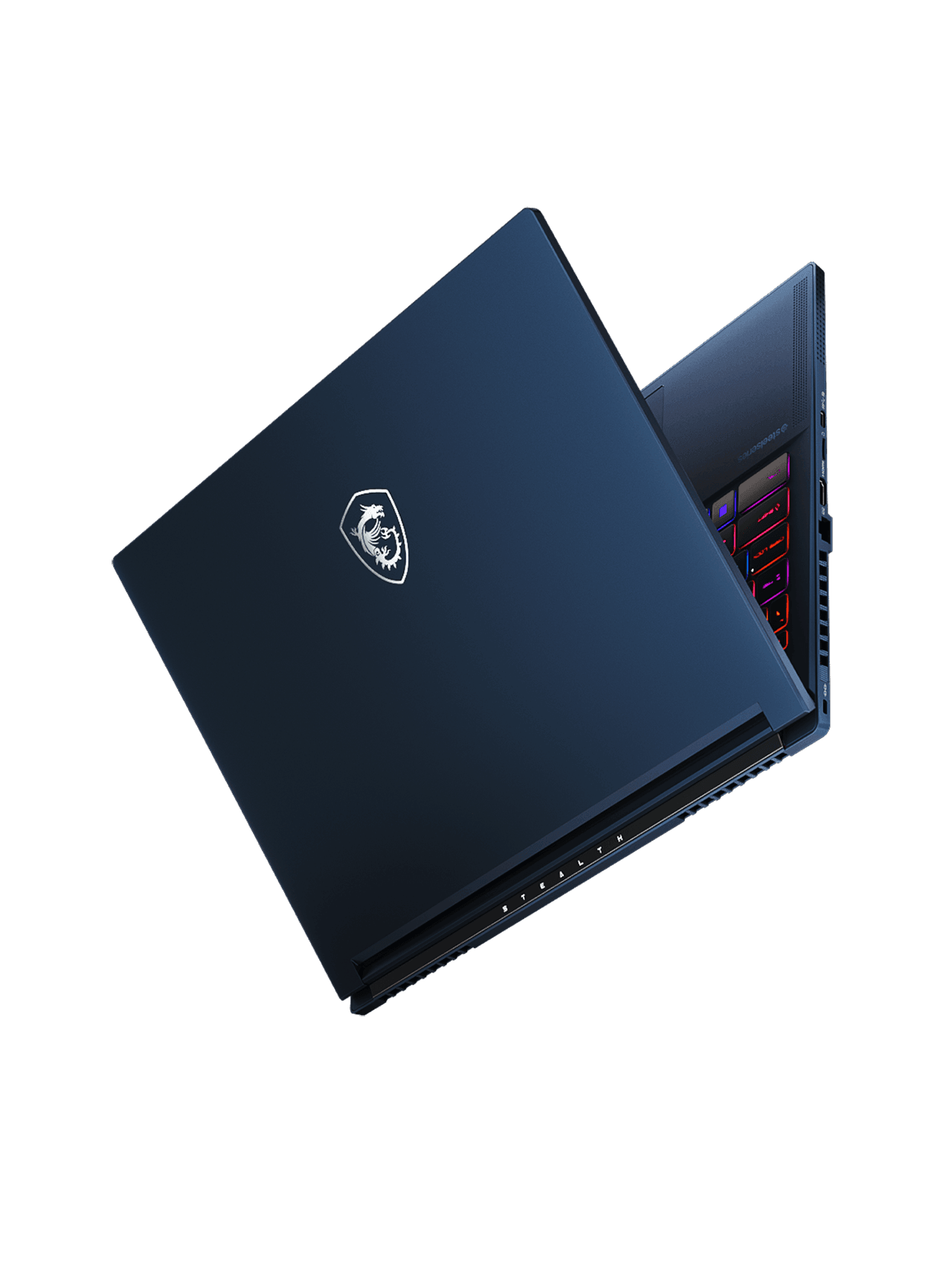
View Details
TBSD
83

Enthusiast
Intel Core Ultra 9 185H
RTX 4080
64GB · 1000GB
16″ IPS 240Hz
Gaming100
Display69
Value87
$2,099

View Details
OLEDTBSD
79

Enthusiast
Intel Core i9-14900HX
RTX 4080
32GB · 1000GB
16″ OLED 240Hz
Gaming100
Display88
Value60
$2,999
View Details
TBSD
78
Enthusiast
Intel Core Ultra 9 275HX
RTX 5080
32GB · 1000GB
16″ IPS 240Hz
Gaming100
Display69
Value81
$2,299
View Details
TBSD
78
Enthusiast
Intel Core i9-14900HX
RTX 4080
32GB · 1000GB
16″ IPS 240Hz
Gaming100
Display69
Value85
$2,099
View Details
OLEDTBSD
77
Enthusiast
Intel Core i9-14900HX
RTX 4090
32GB · 2000GB
16″ OLED 240Hz
Gaming100
Display88
Value54
$3,499
View Details
77

Enthusiast
Intel Core Ultra 9 285H
RTX 5080
32GB · 1024GB
16″ IPS 240Hz
Gaming100
Display69
Value100
$1,500
View Details
TBSD
76

Enthusiast
Intel Core Ultra 9 275HX
RTX 5080
32GB · 1000GB
16″ IPS 240Hz
Gaming100
Display69
Value75
$2,499
View Details
TB
73

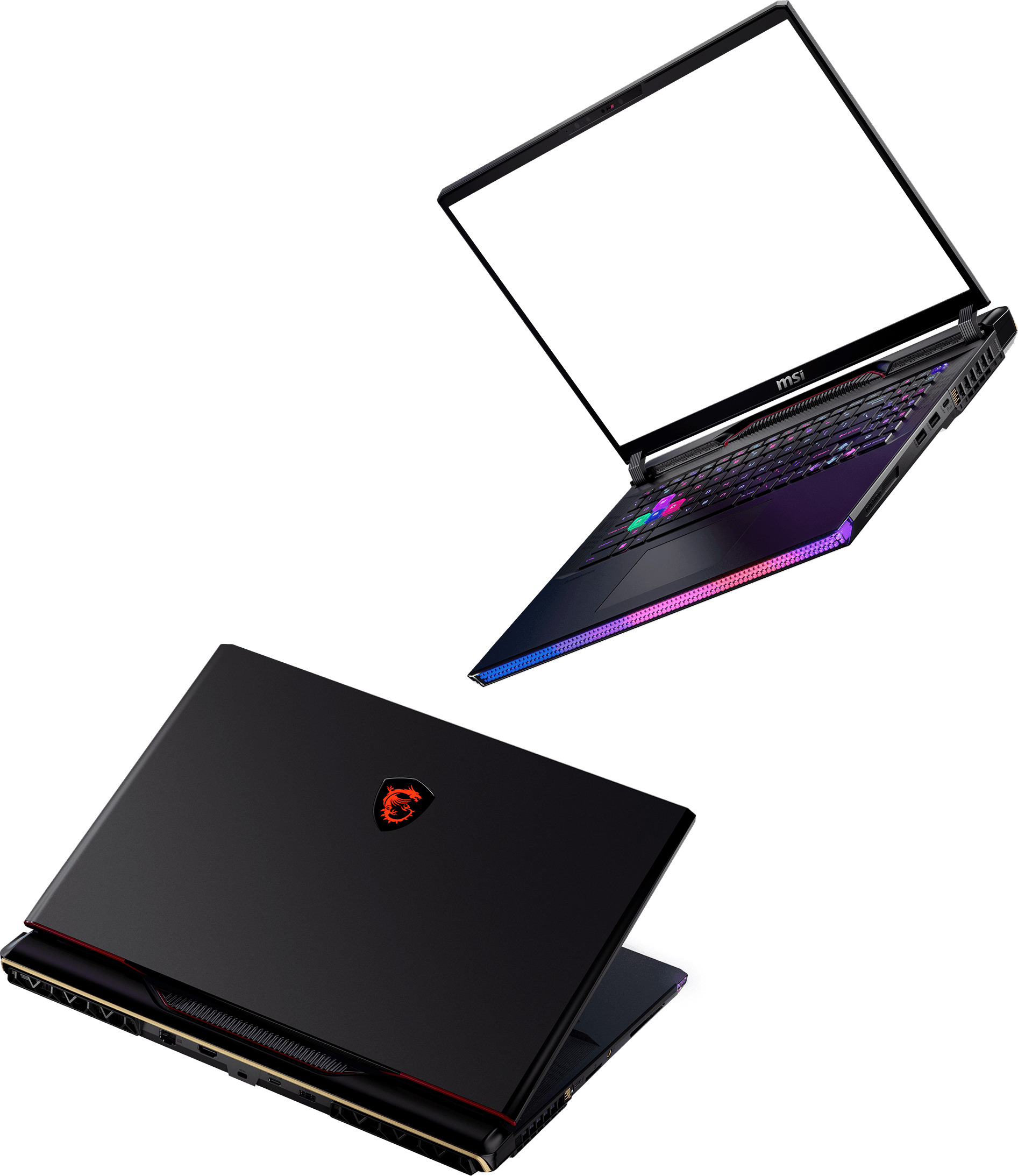
Enthusiast
Intel Core Ultra 9 285HX
RTX 5080
32GB · 1024GB
16″ IPS 240Hz
Gaming100
Display69
Value49
$3,799
View Details
TBSD
71
Enthusiast
Intel Core i9-14900HX
RTX 4090
64GB · 2000GB
17″ IPS 240Hz
Gaming100
Display69
Value62
$3,499

View Details
TB
71
Enthusiast
Intel Core i9-14900HX
RTX 4080
32GB · 1000GB
18″ Mini-LED 300Hz
Gaming100
Display80
Value51
$3,499
View Details
TBSD
70
Enthusiast
Intel Core i9-14900HX
RTX 4080
32GB · 1000GB
17″ IPS 240Hz
Gaming100
Display69
Value59
$2,999
View Details
TB
70
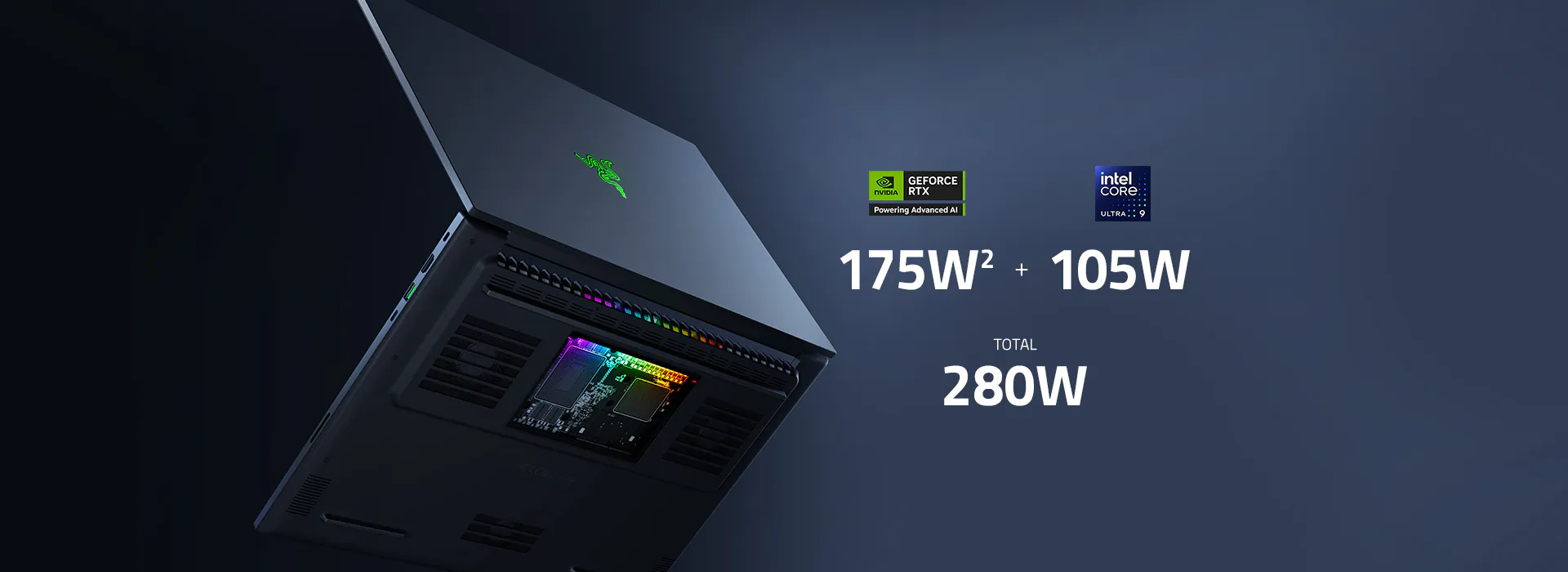
Enthusiast
Intel Core Ultra 9 275HX
RTX 5090
64GB · 4000GB
18″ IPS 240Hz
Gaming100
Display79
Value45
$5,199
Best Gaming Laptops — Specifications Summary
- #1: MSI MSI Stealth 16 AI Studio (2024, RTX 4080) — CPU: Intel Core Ultra 9 185H. GPU: NVIDIA GeForce RTX 4080 Laptop GPU. RAM: 64GB. Storage: 1000GB. Price: $2099. Overall Score: 83/100.
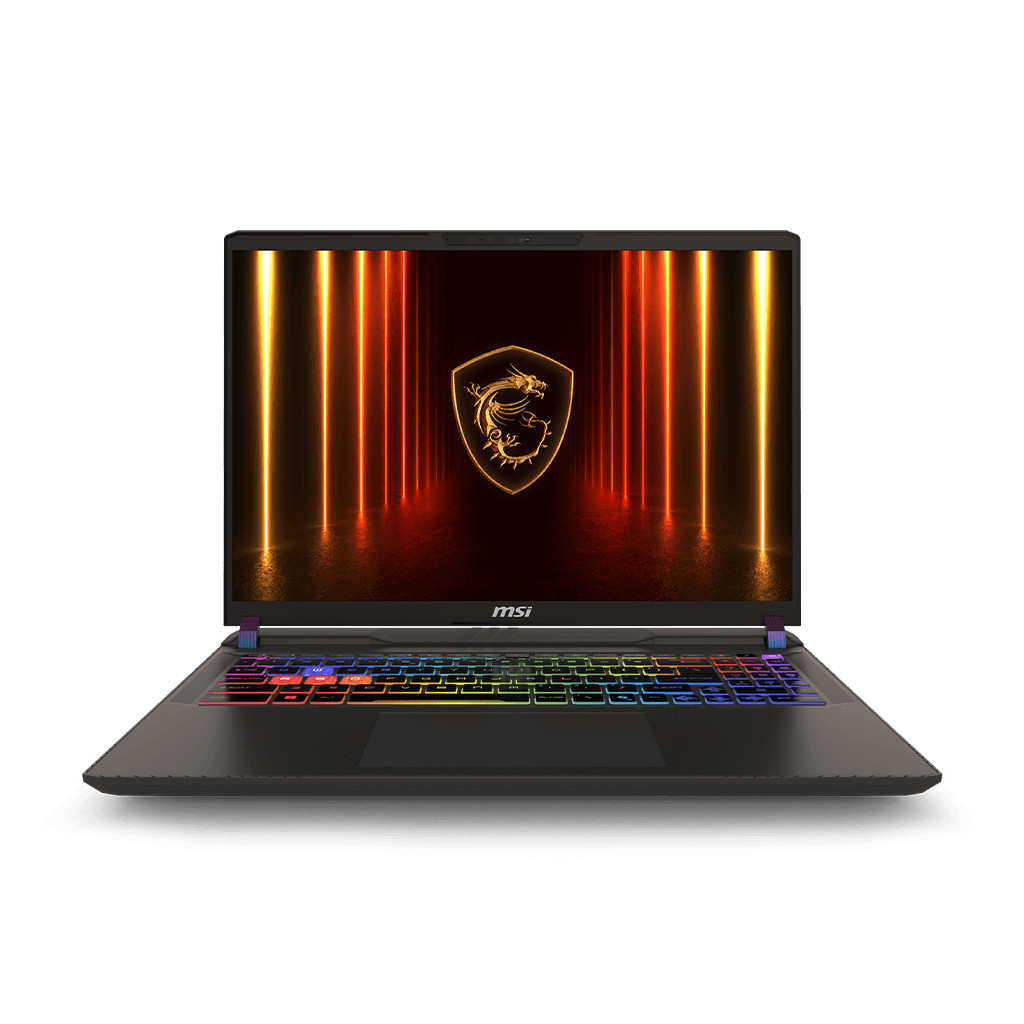
- #2: Razer Razer Blade 16 (2024, RTX 4080) — CPU: Intel Core i9-14900HX. GPU: NVIDIA GeForce RTX 4080 Laptop GPU. RAM: 32GB. Storage: 1000GB. Price: $2999. Overall Score: 79/100.
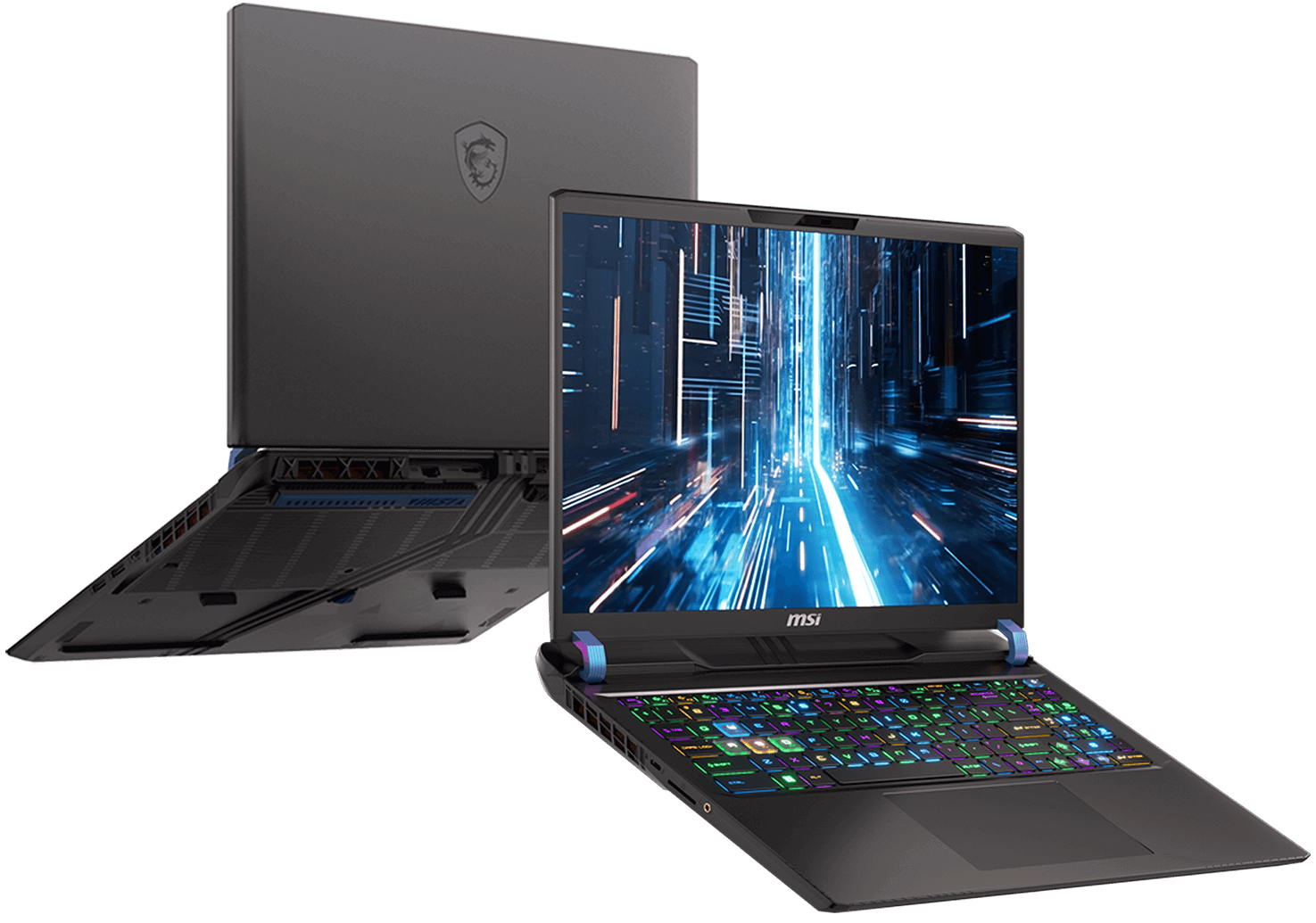
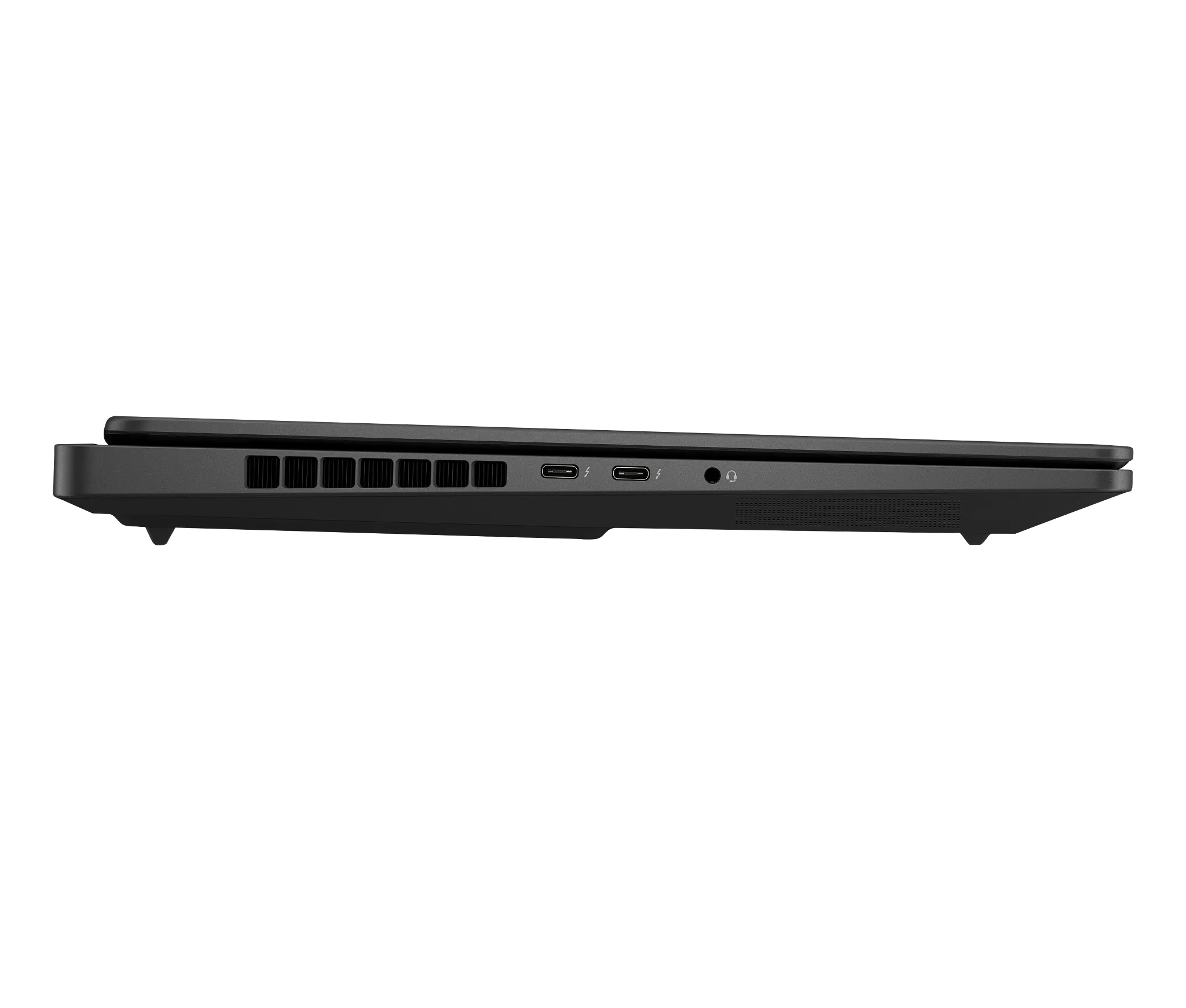
- #3: MSI MSI Vector 16 HX AI (2025, RTX 5080) — CPU: Intel Core Ultra 9 275HX. GPU: NVIDIA GeForce RTX 5080 Laptop GPU. RAM: 32GB. Storage: 1000GB. Price: $2299. Overall Score: 78/100.
- #4: MSI MSI Vector 16 HX (2024, RTX 4080) — CPU: Intel Core i9-14900HX. GPU: NVIDIA GeForce RTX 4080 Laptop GPU. RAM: 32GB. Storage: 1000GB. Price: $2099. Overall Score: 78/100.
- #5: Razer Razer Blade 16 (2024, RTX 4090) — CPU: Intel Core i9-14900HX. GPU: NVIDIA GeForce RTX 4090 Laptop GPU. RAM: 32GB. Storage: 2000GB. Price: $3499. Overall Score: 77/100.
Frequently Asked Questions
What is the best gaming laptop right now?
The best gaming laptops combine a dedicated GPU (RTX 4060 minimum, RTX 4070/4080 for high settings), a 144Hz+ display, at least 16GB RAM, and adequate cooling. Our AI scoring weights all these factors to surface the laptops that deliver real-world gaming performance.
How much RAM do I need for gaming?
16GB DDR5 is the modern minimum for gaming. For running games alongside streaming software or background apps, 32GB is recommended. Most flagship gaming laptops now ship with 32GB as standard.
Is OLED good for gaming laptops?
OLED panels offer perfect blacks, vibrant colors, and near-instant response times — but not all OLEDs support high refresh rates. Look for OLED panels running at 120Hz or higher. For competitive gaming where every millisecond counts, a 240Hz IPS panel may still be preferable.
What GPU do I need for 1080p gaming?
For smooth 1080p gaming at high settings, an RTX 4060 or AMD RX 7600M is sufficient. For 1440p or for maxing out demanding titles at 1080p, target an RTX 4070 or above.
Do gaming laptops overheat?
Modern gaming laptops have improved thermal management significantly. Look for laptops with dual-fan designs, vapor chamber cooling, and good thermal scores in reviews. Thin-and-light gaming laptops sacrifice thermal headroom — desktop replacement laptops run cooler but are heavier.
Explore more categories